
Ovēa Birth · Pregnancy & OB Support
You are growing a person.
You deserve real answers, too.
"Every appointment is eight minutes about the baby. I have questions about me, too."
This guide covers the foundational, well-established nutrients every OB and midwife recommends during pregnancy — explained in plain language, with the clinical context most appointments don't have time for. It is not a substitute for your prenatal care team. It is the conversation that happens after the appointment ends.
⚠ Pregnancy safety note: This guide covers only nutrients with well-established safety data in pregnancy. Every supplement decision — dose, timing, and brand — should be confirmed with your OB, midwife, or maternal-fetal medicine specialist before you start or change anything. Do not begin any new supplement without their sign-off.

What your body needs changes
by the week, not just the trimester.
Nutrient needs shift constantly across pregnancy — folate matters most in the earliest weeks before you may even know you're pregnant; iron demand rises sharply in the second and third trimesters; DHA needs increase as your baby's brain grows fastest in the final weeks. This guide is organized by what each nutrient does, so you can see clearly why timing and consistency matter as much as the nutrient itself.
Section 01 · Neural Tube & Foundational Development
The one nutrient timing
truly cannot wait for.
"I didn't find out I was pregnant until six weeks. Did I miss my window?"
Neural tube development happens in the first 28 days of pregnancy — often before a positive test. This is why folate matters before conception, not just after. If you are already pregnant and just starting, do not panic: start today and keep going. This section covers the single most time-sensitive nutrient in this entire guide.
The single non-negotiable of every pregnancy, from before conception through breastfeeding
Why it matters
Folate is directly responsible for neural tube closure — the earliest structural development of your baby's brain and spinal cord, complete by day 28. Up to 40% of women carry a gene variant (MTHFR) that makes standard folic acid harder to convert into a usable form. A methylated prenatal delivers L-methylfolate already in its active form, which is why ACOG and most reproductive specialists now recommend it as the default choice, not just for women with a known MTHFR variant.
What to confirm with your provider
Standard dose is 600–800mcg DFE (dietary folate equivalent) daily, higher if you have a personal or family history of neural tube defects — your provider will guide this. Check the label for "L-methylfolate" or "5-MTHF," and "methylcobalamin" rather than "cyanocobalamin" for B12. Continue through breastfeeding.
Supports your baby's bone development and your own immune and mood regulation through pregnancy
Why it matters
Vitamin D crosses the placenta and is essential for your baby's skeletal development. Deficiency during pregnancy has also been associated with higher rates of gestational diabetes and preeclampsia in observational studies. Most prenatal multivitamins contain some D3, but many women need more, especially with limited sun exposure or during winter months.
What to confirm with your provider
Ask your provider whether to test your baseline 25-OH Vitamin D level. Standard prenatal supplementation is typically 600–2,000 IU daily depending on your levels and your prenatal multivitamin's existing content — do not double up without checking your total intake first.
Section 02 · Your Baby's Brain & Vision Development
The final weeks build
the most brain tissue.
"Everyone talks about fish oil for babies. Does it actually matter, and how much do I need?"
Omega-3 fatty acids and choline are structural building blocks for your baby's brain and eyes — and demand rises sharply in the third trimester, when the majority of fetal brain growth occurs. These two nutrients are consistently under-consumed by pregnant women in the United States.
A structural component of your baby's developing brain and retina — most pregnant women fall short
Why it matters
DHA is incorporated directly into fetal brain and retinal tissue, with the fastest accumulation happening in the third trimester. It has also been associated with modestly longer gestation and reduced risk of early preterm birth in clinical research. Most prenatal vitamins contain little to no DHA — it is almost always a separate supplement.
What to confirm with your provider
200–300mg DHA daily is a commonly cited target; ACOG and ACOG-aligned guidance support 8–12oz of low-mercury fish weekly as a food-first option, with supplementation for women who don't eat fish. Algae-based DHA is appropriate for vegetarians, vegans, or anyone avoiding fish. Always choose a product third-party tested for heavy metals.
A frequently overlooked nutrient with a growing evidence base for brain development and placental function
Why it matters
Choline supports fetal brain development and healthy placental function, and current research suggests most pregnant women in the US consume well below the recommended intake. It is worth checking specifically, because many standard prenatal multivitamins contain little to none of it — it's easy to assume your prenatal has you covered when it doesn't.
What to confirm with your provider
450mg daily is the general pregnancy recommendation from the National Academy of Medicine. Food sources include eggs (especially the yolk) and lean meats — ask your provider whether a supplement makes sense based on your diet, particularly if you don't eat eggs regularly.
Section 03 · Energy, Iron & Blood Volume
The exhaustion is real.
And it has a cause.
"I am more tired than I have ever been in my life. Is this just pregnancy, or is something actually low?"
Your blood volume expands by up to 50% during pregnancy — which means your iron requirements rise substantially, especially in the second and third trimesters. Iron deficiency anemia is common and frequently under-diagnosed, and its most obvious symptom — fatigue — is easy to dismiss as "just pregnancy."
Confirmed by bloodwork, not assumed — but very commonly needed as pregnancy progresses
Why it matters
Iron is required to build the additional red blood cells that carry oxygen to your growing baby. Deficiency is associated with fatigue, and in more significant cases, preterm birth and low birth weight. Your provider checks this routinely through standard prenatal bloodwork — this is not a nutrient to supplement blindly without knowing your levels first, since excess iron carries its own risks.
What to confirm with your provider
Ask about your most recent hemoglobin and ferritin levels at your next visit. If supplementation is recommended, bisglycinate (chelated) forms are typically gentler on digestion than standard ferrous sulfate. Take with vitamin C-rich foods to support absorption, and separate from calcium-containing foods or supplements by a few hours.
Section 04 · Nausea, Digestion & Everyday Comfort
The parts of pregnancy
nobody warns you about.
"I feel nauseous constantly and no one told me it could last past the first trimester."
Nausea, constipation, and muscle cramps are among the most common pregnancy complaints — and while they're rarely dangerous, they are genuinely miserable and deserve a real response, not a shrug.
One of the most evidence-supported, provider-recommended options for nausea in pregnancy
Why it matters
Vitamin B6 is one of the most studied and most commonly recommended first-line options for pregnancy-related nausea, often used alone or in combination with doxylamine (an antihistamine) under provider guidance. It has a strong pregnancy safety profile and is frequently the very first thing an OB or midwife suggests before considering prescription options.
What to confirm with your provider
Typical dosing is 10–25mg, up to three times daily, but this should be confirmed with your provider — especially if you are also taking a prenatal multivitamin that already contains B6, to avoid exceeding recommended totals.
Frequently used for leg cramps, constipation, and sleep support in later pregnancy
Why it matters
Magnesium is commonly recommended for the leg cramps that become more frequent in the second and third trimesters, and it also supports regular digestion — helpful given how common constipation becomes as pregnancy progresses and iron supplementation increases. The glycinate form tends to be the gentlest on digestion of the common forms.
What to confirm with your provider
Confirm your total magnesium intake across your prenatal and any additional supplement, and check for interactions if you're also taking iron — timing them a few hours apart is generally recommended.
Section 05 · Preparing for Birth & Postpartum Recovery
The nutrient story doesn't end
at delivery.
"Everyone prepares for labor. No one prepared me for what my body needs afterward."
Nutrient stores built during pregnancy directly affect postpartum recovery and, if you're breastfeeding, your milk supply and your baby's ongoing development. Continuing your core nutrients through the postpartum period — not stopping the day you deliver — matters more than most women are told.
The single most overlooked recommendation in postpartum nutrition
Why it matters
Pregnancy depletes nutrient stores — iron, folate, DHA, and vitamin D in particular — and delivery itself involves significant blood loss. If you are breastfeeding, your baby continues to draw on your DHA and choline stores through breast milk. Many women stop their prenatal the day they deliver; most OBs and midwives recommend continuing it well into the postpartum period, and through breastfeeding if applicable.
What to confirm with your provider
Ask your provider or midwife how long to continue your prenatal multivitamin and DHA specifically — this is often 6+ months postpartum, or the full duration of breastfeeding. Postpartum bloodwork can also confirm whether your iron stores have recovered from delivery.
"You should not have to choose between preparing for your baby
and being cared for yourself."
— Ovēa · Women's Imaging Clarity
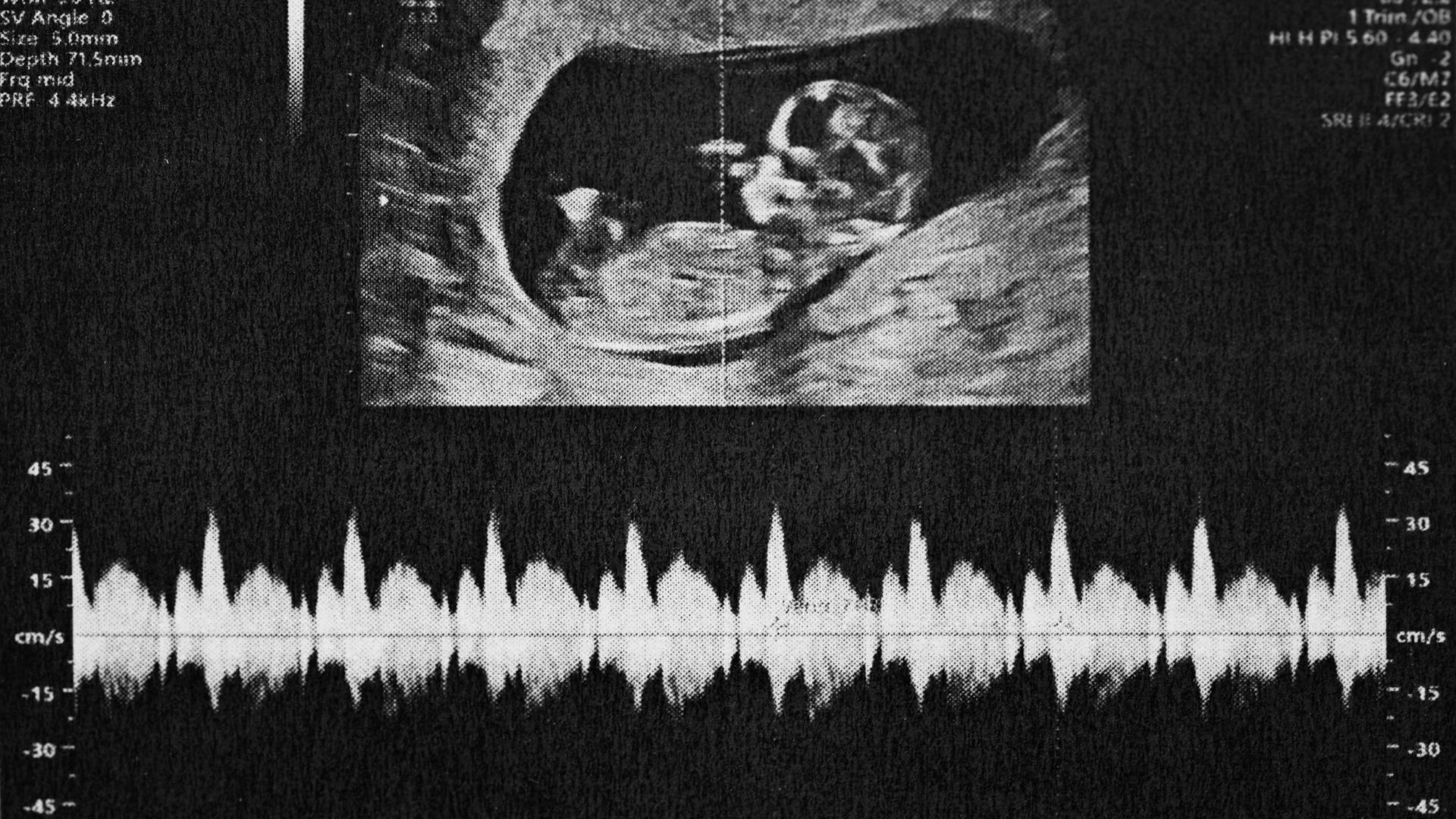
An OB scan is more
than a heartbeat check.
Let's talk through yours.
Growth measurements, placental location, amniotic fluid levels, anatomy findings — your OB scan carries far more detail than most appointments have time to walk through. That precision is what an Ovēa Clarity Consult provides.
Join Ovēa
A credentialed, compassionate space
for pregnancy — including the complicated parts.
Inside Ovēa Birth, you're never navigating alone — whether this is a straightforward pregnancy, a high-risk journey, or pregnancy after loss. Submit your imaging, ask your questions live at Open Hours, and get real answers from someone with 19 years of obstetric imaging experience.
Founding Member rate · locks before it moves to $97/month · helloovea.com
Educational disclaimer: This guide covers general prenatal nutrition education and is not medical advice, diagnosis, or treatment. Pregnancy supplementation carries specific safety considerations — every dose, brand, and timing decision must be confirmed with your OB, midwife, or maternal-fetal medicine specialist before starting or changing anything. This guide does not replace clinical prenatal care. Hannah is an ARDMS-certified sonographer operating in an educational capacity.